|
Read time: 14 min
|
Posted on:
Every year as flu season approaches, the same common flu myths start circulating. Many people still believe that the flu vaccine can make you sick, that antibiotics can treat influenza, or that the flu is simply a stronger version of the common cold.
While these misconceptions may seem harmless, they can lead to delayed treatment, improper medication use, and a higher risk of spreading infection to others.
In reality, influenza is a contagious respiratory illness that requires the right approach when it comes to prevention, diagnosis, and treatment.
To separate fact from fiction, we spoke with Dr. Robert Chandler, DO, one of the experienced physicians at DrHouse, who regularly treats patients with flu symptoms and other seasonal illnesses.
Drawing from years of clinical experience, Dr. Chandler breaks down the most common flu myths doctors hear from patients and explains what people should actually know about flu prevention, antiviral treatment, and staying healthy during flu season.
Dr. Robert Chandler is a board-certified family medicine physician with over 15 years of clinical experience, caring for patients since 2008.
His background includes traditional primary care, urgent care, and several years of practicing exclusively through telemedicine. He treats patients of all ages and manages a wide range of conditions, from everyday illnesses like the flu to more complex concerns.
Dr. Chandler’s approach to care is rooted in listening and understanding the patient’s perspective.
“I try to think about things from their standpoint,” he says. “What would they want to know? What questions would they have?”
Today, he continues to care for patients through virtual visits, combining clinical experience with a more accessible, patient-centered approach to modern healthcare.
Misconceptions about influenza, vaccines, and treatment don’t just confuse; they also influence how people respond to symptoms, when they seek care, and whether they take preventive steps like vaccination.
Many common flu myths stem from misunderstandings about how viral infections work. Influenza is a contagious respiratory virus, yet patients often expect antibiotics, misjudge flu vs cold symptoms, or question the effectiveness of the flu vaccine.
According to Dr. Robert Chandler, assumptions based on past experiences are a major driver of misinformation.
“Patients often jump to conclusions based on what they’ve experienced before,” he says. “But you can’t always go off that.”
This is especially true when it comes to flu vs. cold symptoms, vaccine concerns, and treatment expectations. For example, many people still believe antibiotics can treat influenza, even though it is a viral respiratory infection, not a bacterial one.
Others avoid the flu vaccine due to myths about side effects or effectiveness, despite it being one of the most important tools for flu prevention each year.
These gaps in understanding can lead to delayed treatment, especially when timing matters.
“For prescription antivirals, you have to be seen within the first two days,” Dr. Chandler explains.
Having accurate information about flu prevention, vaccine safety, and treatment options helps patients make better decisions and reduces the risk of spreading illness during flu season.
“You can’t get the flu from the flu vaccine,” says Dr. Chandler. “It’s a killed virus, parts of the flu virus, so your body can know what it needs to learn to fight for this year.”
Because the vaccine helps your immune system recognize current flu strains, your body may react while building protection.
“While making the antibodies to fight that season’s flu, you may experience flu-like symptoms,” he explains, “such as body aches, chills, and fatigue.”
These symptoms are temporary and not the same as having influenza.
“While this is true for most people,” Dr. Chandler says, “it can be very serious for people with a compromised immune system, such as the elderly, cancer patients, or HIV+.”
Influenza is more than a typical cold. It is a respiratory illness that can lead to complications, especially in higher-risk groups.
What feels like a “bad cold” for one person may become a much more serious condition for another.
“While this is a good start,” Dr. Chandler explains, “using common sense is also helpful.”
He emphasizes that everyday habits still matter when it comes to immune health.
“Trying to get 6–8 hours of sleep a night, drinking water, and exercising can all aid in helping your immune system fight things.”
The flu vaccine is an important step, but it works best alongside healthy routines that support your body’s ability to fight infection.
“The versions of the flu change every year,” Dr. Chandler explains. “The people who make vaccines try to guess which ones will be present or bad each year and include those subtypes in that year’s shot.”
Because influenza viruses evolve, last year’s vaccine won’t fully protect against this year’s strains.
“Remember H1N1,” he adds. “It’s those letters and numbers.”
Each season brings different variations, which is why annual vaccination remains an important part of staying protected.
“I have actually read some studies that it may have some benefit with illnesses,” says Dr. Chandler. “Not 100% effective, but there’s a chance it may aid in fighting infections.”
While chicken soup isn’t a cure for influenza, it may still play a small supportive role.
“If nothing else, it can help soothe a sore throat,” he adds.
Warm fluids can help with comfort and hydration, but recovery ultimately depends on your immune system and, in some cases, medical treatment.
“This is a preventative measure, so one does not get the flu,” Dr. Chandler explains. “So if you’re healthy, it’s a great idea to get it to stay that way.”
Being healthy doesn’t eliminate the risk of infection. It simply means your body may handle it better.
Vaccination helps reduce your chances of getting sick in the first place and can also lower the likelihood of spreading the virus to others.
“There are antiviral medicines like Tamiflu or Xofluza which can be prescribed by doctors that may shorten the illness by a day and make it less severe,” says Dr. Chandler.
Treatment options are available, especially early on.
“You have to get this prescribed within the initial window,” he explains.
In addition to prescription antivirals, supportive care can also help manage symptoms.
“One can take over-the-counter things to feel better such as Tylenol, Motrin, etc.”
“As mentioned before, your immune system isn’t as good the older you get,” Dr. Chandler says. “So this is a high-risk population that should try to get flu shots and maybe avoid sick people when able.”
While older adults are at higher risk, the flu is not limited to one age group.
Anyone can get sick, and even healthy individuals can experience significant symptoms or spread the virus to others.
“Often one can spread the germs before you have symptoms,” Dr. Chandler says.
Influenza doesn’t wait until you feel sick to become contagious. People can transmit the virus in the early stages, before symptoms like fever or cough appear.
“So always be smart,” he adds. “Cover your cough, wash your hands, etc.”
This is why everyday preventative habits matter, even when you feel fine.
“Influenza is a respiratory virus, and antibiotics treat bacterial infections, so they would not be appropriate with influenza,” Dr. Chandler explains.
One of the most common misunderstandings during flu season is expecting antibiotics to help. In reality, they have no effect on viral infections like the flu.
He also points out a related confusion:
“People often think stomach flu and influenza are one and the same, but they are different.”
Stomach flu, or gastroenteritis, typically involves nausea, vomiting, and diarrhea, while influenza affects the respiratory system with symptoms like coughing, chills, and body aches.
“As mentioned, for prescription medicines, you have to start these within 2 days,” says Dr. Chandler.
Antiviral medications are most effective when taken early, but that doesn’t mean there’s nothing you can do later.
“Otherwise, you can always use over-the-counter meds to treat symptoms.”
Even if the early window for antivirals has passed, managing symptoms and monitoring your condition still plays an important role in recovery.
“There is some evidence that not treating increased temperatures or fevers can kill illnesses sooner,” Dr. Chandler says.
However, that doesn’t mean avoiding medication is the best approach for most people.
“But unless you choose to do this, I don’t typically suggest this,” he adds. “Just take Tylenol, Motrin, or fever reducers so you feel better.”
Managing symptoms is often the more practical and comfortable option during recovery.
“Nothing can cure the flu,” Dr. Chandler explains.
While medications like acetaminophen or ibuprofen can reduce fever, aches, and discomfort, they don’t eliminate the virus itself.
“Taking over-the-counter meds can make you feel better though.”
Recovery still depends on your immune system, with medications helping to ease symptoms along the way.
“Telemedicine is completely capable of diagnosing and treating influenza-type symptoms,” says Dr. Chandler.
Advances in virtual care make it possible to evaluate flu symptoms without going into a clinic.
“There are home tests that can check for influenza and COVID,” he adds. “Personally, I trust the process and generally say they are probably accurate.”
In many cases, patients can get assessed and treated quickly without leaving home.
Flu season is where small decisions can have a big impact. How quickly you act, how you interpret symptoms, and how you manage exposure all influence both recovery and how widely the virus spreads.
One of the biggest challenges is that people often rely on self-diagnosis. Symptoms like cough, fatigue, or congestion can point to multiple conditions, and without testing, it’s not always clear what you’re dealing with.
“It’s really hard… without testing, you can’t be 100 percent certain,” Dr. Chandler explains. “There are ways we go through it: timing, symptoms, experience, but it’s not an exact science.”
That uncertainty leads many people to either wait too long or assume the wrong cause, especially when comparing current symptoms to past illnesses.
“People think about what they’ve experienced before and jump to the same conclusion,” he says. “But you can’t always go off that.”
Understanding when to act and how flu actually spreads can make a meaningful difference during peak season.
Timing is one of the few factors that can directly influence how severe the flu becomes.
“For antivirals like Tamiflu, you have to get it within two days,” Dr. Chandler says.
That early window is critical because these medications work best when the virus is still in its initial phase. Once symptoms have progressed beyond that point, treatment focuses more on relief rather than shortening the illness itself.
What makes this tricky is that timing works differently depending on the condition. While some infections are monitored over several days before treatment is considered, influenza requires faster action.
“It’s kind of a double-edged sword,” he explains. “With some things you wait a week. But with the flu, you have to act within two days.”
This is especially relevant when exposure is known. In many cases, patients seek treatment after a family member tests positive, even before their own symptoms fully develop.
“Hey, my wife tested positive. Now I want to get treated,” he says. “That’s actually perfect timing.”
Recognizing early signs and acting quickly can help reduce symptom severity and prevent the illness from escalating.
Flu transmission is often less about major precautions and more about consistent, everyday behavior.
“Cover your cough and wash your hands,” Dr. Chandler says. “Simple measures to minimize risk.”
Because influenza spreads through respiratory droplets, close contact plays a major role, particularly in colder months when people spend more time indoors.
“In winter months, you’re in closer proximity,” he explains.
That’s why small habits matter more than people think. Hand hygiene, avoiding unnecessary contact when sick, and being mindful in shared spaces can all reduce how quickly the virus spreads.
Dr. Chandler also points to general health as part of prevention.
“Staying healthy, being active… that helps clear things out.”
Even basic awareness can make a difference.
“Be aware,” he adds. “Be aware of your germ spreading.”
In many cases, preventing the flu isn’t about doing something complex—it’s about consistently doing the simple things right.
Flu symptoms don’t always follow a predictable path, and knowing when to seek medical advice can make a difference in both recovery and treatment options.
“For prescription antivirals, you have to be seen within the first two days,” Dr. Chandler says.
That early window is especially important if symptoms come on quickly, such as fever, chills, body aches, or extreme fatigue. Acting within that timeframe can open up treatment options that may reduce how severe the illness becomes.
Even outside of that window, getting evaluated can still help guide the right next steps.
“Whenever you feel you have questions or need evaluation,” he explains.
This is particularly important if symptoms worsen, last longer than expected, or if there’s uncertainty about whether it’s flu, a cold, or another condition. Since symptoms can overlap, a medical evaluation helps ensure you’re treating the right illness.
Flu symptoms can come on fast, and waiting too long to get evaluated can limit your treatment options.
“Telemedicine is completely capable of diagnosing and treating influenza-type symptoms,” Dr. Chandler says.
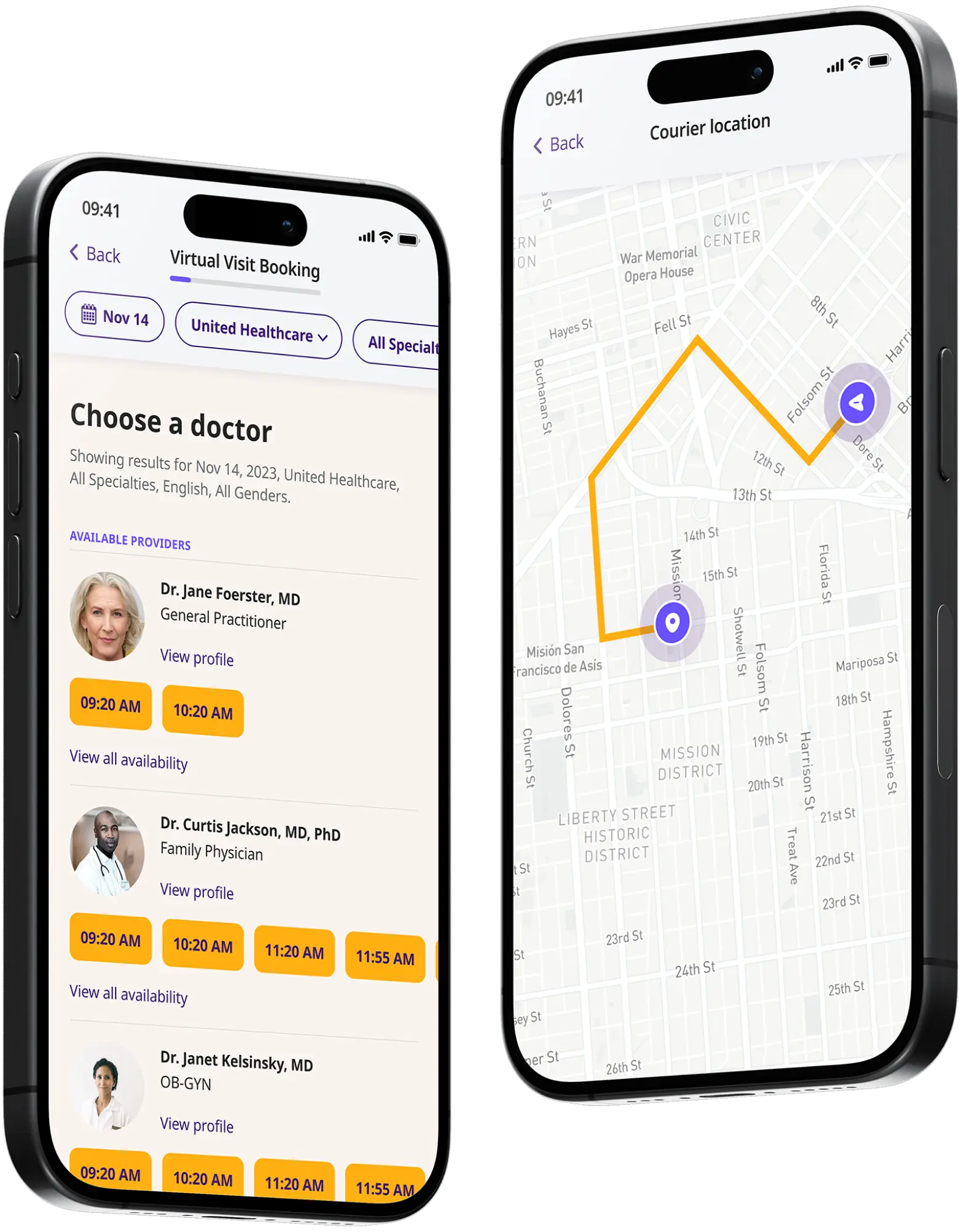
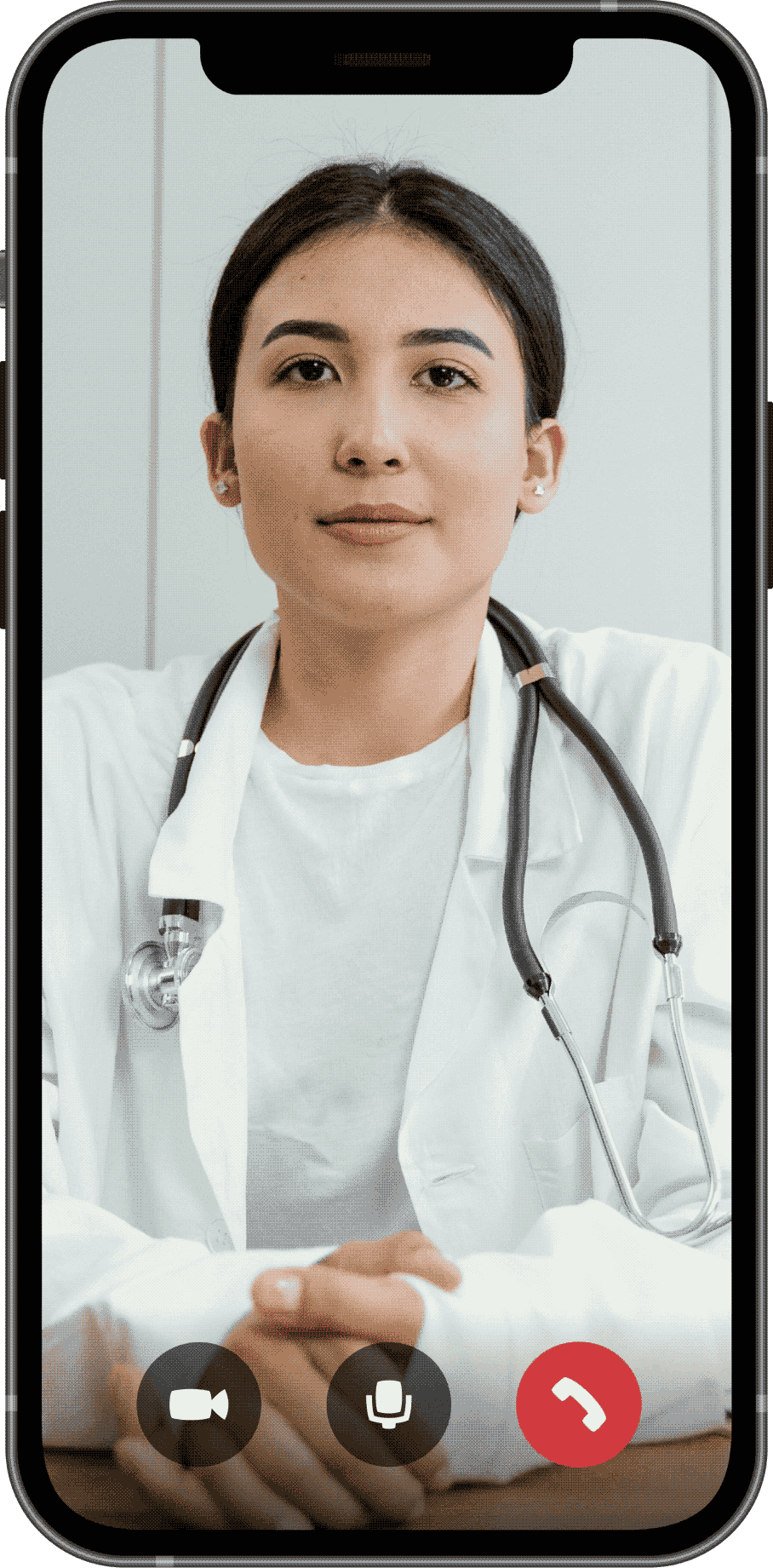
With DrHouse, you can connect with a doctor from home and get evaluated for flu symptoms without the wait. Whether you need guidance on symptoms, antiviral treatment within the first 48 hours, or relief for ongoing symptoms, care is just a few taps away.
Content on the DrHouse website is written by our medical content team and reviewed by qualified MDs, PhDs, NPs, and PharmDs. We follow strict content creation guidelines to ensure accurate medical information. However, this content is for informational purposes only and not a substitute for professional medical advice, diagnosis, or treatment. For more information read our medical disclaimer.
Always consult with your physician or other qualified health providers about medical concerns. Never disregard professional medical advice or delay seeking it based on what you read on this website.
If you are experiencing high fever (>103F/39.4C), shortness of breath, difficulty breathing, chest pain, heart palpitations, abnormal bruising, abnormal bleeding, extreme fatigue, dizziness, new weakness or paralysis, difficulty with speech, confusion, extreme pain in any body part, or inability to remain hydrated or keep down fluids or feel you may have any other life-threatening condition, please go to the emergency department or call 911 immediately.
Experience 24/7 complete care in one visit, including treatment, prescriptions, and delivery.



on your schedule
Skip the unnecessary waiting room,
see a board-certified clinician now.
Prescriptions as needed
Renew or get a new Rx.
On-demand virtual visits
See a physician 24/7.
24/7 care support
We are here to help you.

Download the DrHouse app.
Set up your free account in a minute.
Start a visit with an online doctor. Wait time is less than 15 minutes.
Get an Rx from your preferred pharmacy. Pick up a Rx nearby or get it delivered to you.

on your schedule
Skip the unnecessary waiting room, see a board-certified physician now.
Available in 50 states. Insurance accepted.