|
Read time: 10 min
|
Posted on:
At DrHouse, we believe great care starts with great doctors. That’s why we’re launching Meet Your Doctor, a monthly series where we spotlight the physicians behind the screen.
Each month, we share the stories, experiences, and perspectives of DrHouse doctors who bring empathy, expertise, and real-world understanding to patient care.
In this featured interview, we sat down with Dr. Robert Chandler, a family medicine physician with more than 15 years of experience, to talk about his path into medicine, how virtual care has changed the doctor-patient relationship, and why empathy remains at the center of everything he does.
Dr. Robert Chandler is a board-certified family medicine physician who has been caring for patients since 2008.
His background spans traditional in-person care, urgent care, and the last several years exclusively in telemedicine.

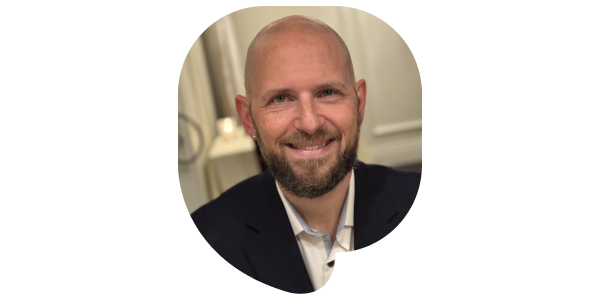
Dr. Robert Chandler is a board-certified family medicine physician who has been caring for patients since 2008. His background spans traditional in-person care, urgent care, and the last several years exclusively in telemedicine.
Dr. Chandler at a glance:
Dr. Chandler’s approach reflects what family medicine does best: treating the whole person, not just a single symptom or condition.
We spoke with Dr. Chandler about what drew him to medicine, how personal experiences shaped his career, and what patients should know about receiving care virtually. Below, he shares his perspective in his own words.
For sure, yeah. I’m Dr. Robert Chandler, and I’m from Pennsylvania. I trained in family medicine since 2008, so about 15 years, or whatever the math would be.
Started doing the first eight years in person, did some urgent care, and then the last maybe four years I’ve been practicing exclusively through telemedicine. And I love it.
I see all ages, babies, kids, adults, the elderly, and I treat all kinds of conditions. Really, anything a typical family practice doctor would do.
Yeah, so I found DrHouse just through job searches and looking into different companies and what they do. I really liked the platform. It has a lot of functionality and some really cutting-edge stuff, right?
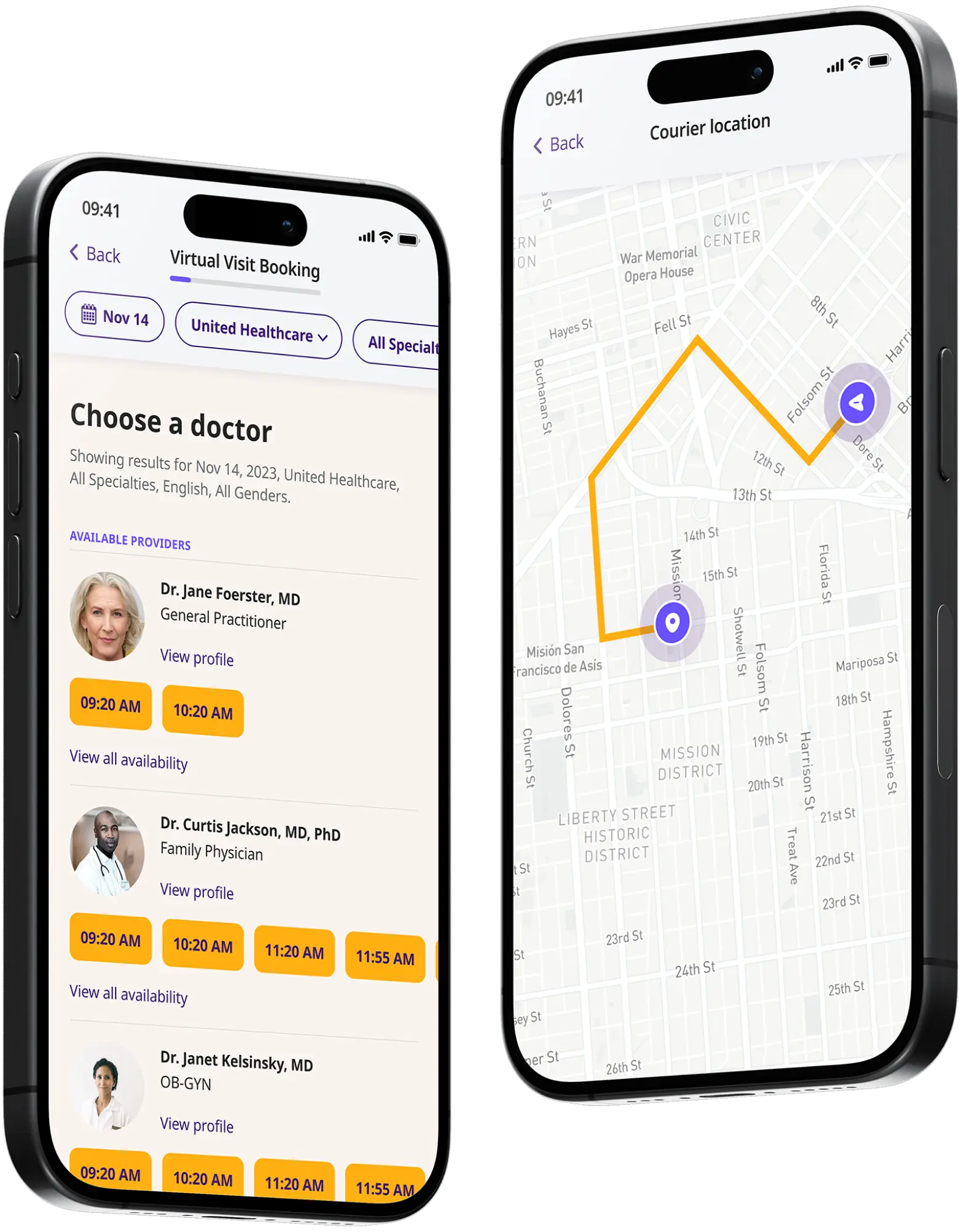
One thing that stood out to me is how personal it feels. On some platforms, it’s more like a joint team effort, and you have just a pool of docs that patients get to. But with Dr. House, I think it’s a little bit more personal, where you can select the doctor and develop a relationship.
If you like your doctor, you could select them again. And it’s not like you get a new doctor every time you’re in there.
But from my side of it, we have a lot of functionality. We could do a lot of family practice things that sometimes one can’t do like ordering labs and referrals, and doing prior authorizations if something’s not approved. So I think it’s a very kind of pretty close to a typical in-person family doctor.
Oh yeah. I think my older brother might’ve been one of the catalysts. He struggled with mental illness, and going through that as a family made me interested in medicine during college.
It kind of pushed me to med school. So then I just got into it. It was just like a personal kind of thing.
Yeah, definitely. I mean, I did well in school, so academics weren’t too hard for me, but my brother was a big motivator.
Originally, I was thinking about psychiatry, but as I got further into training, family practice felt like a better fit. As you know, family practice is kind of a good overarching thing, kind of treating all, not just mental health or just one thing or another.
So yeah, I think that definitely gave me motivation.
That’s a great question. I’m married, have three kids, and we also have some animals, four dogs and a cat. Outside of work, I like to work out and do CrossFit.
Yeah, I try. That’s usually something I do earlier in the day, and then family time is after work for sure.
I have three kids, 14, 12, and 10, so getting involved with them and what they’re doing is a big part of how I recharge.
Yeah, just trying to think about how to walk a mile in their shoes, or thinking about things from their standpoint. So obviously, we doctors sometimes might not experience all the elements that people are coming in with.
But if somebody says, doc, I have this or that, I try to just think about it for a second from their standpoint. What would you like to know? What questions would they have? How would they want to approach this?
A lot of it is active listening. Sometimes you have to verbalize that and say, “I’m hearing you say this.” Then it becomes a conversation. Are you looking for medication? Are you looking for a workup?
We have to have this joint venture. That’s where the shared doctor-patient relationship really comes in.
It’s a little bit tricky. A lot of it comes down to technology. I personally think COVID was one of the catalysts that got me here, but I think virtual care is here to stay for sure.
It is different, though. You’re not walking into a doctor’s office and you’re not shaking hands, you’re not doing vitals in person.
So it’s, it’s a little bit different. There’s been a little bit of getting used to it, from the patients and the doctors, right?
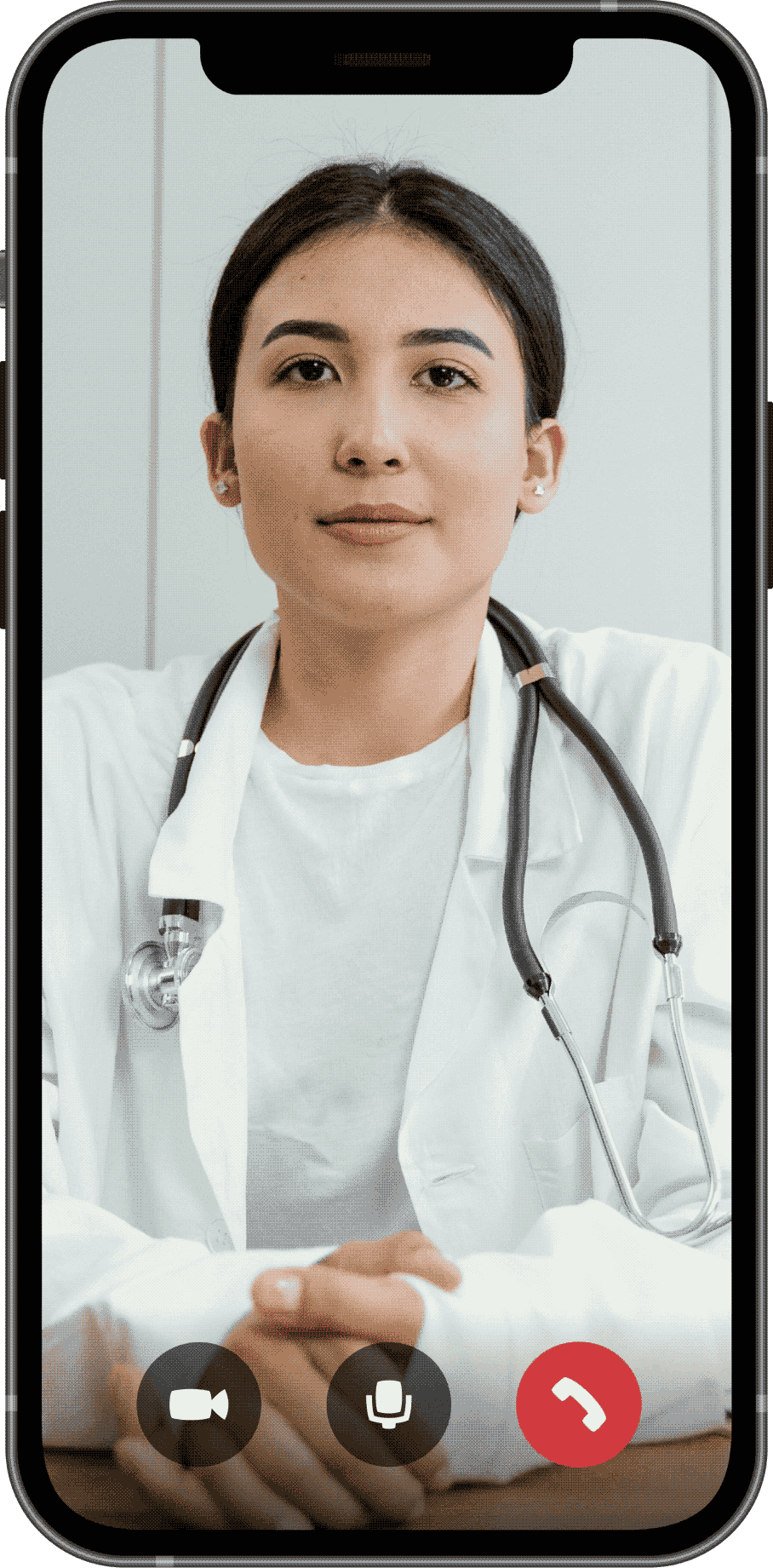
I mean, I had to learn how to do it. I had to get the technology, the screens, and all this stuff figured out on my end. That’s actually one reason I wear a white coat. It adds some validity to who I am. You see that I’m Dr. Chandler, and I look like a doctor, even though it’s virtual.
I think for patients, it’s amazing because they can do it from wherever they are. They could do it from work or sometimes even from their car, sometimes even driving, not safe, but they can visit anywhere, and it’s super convenient.
You don’t have to wait hours and pay all this extra money or lose time from work just to talk to a doctor. Right?
Yeah, that’s a hard one, because there are certain things patients don’t always think about, especially if it’s their first virtual visit. But as a doctor, when I’m practicing, I’ve already thought through those limitations.
If someone has belly pain, they just say, you’re a doctor, you can fix this. Well, I can’t push on your belly virtually. That’s, that’s one thing. Or joints, you know, that’s a little harder too.
Technology is advancing, though. Ear pain can sometimes be evaluated. There are devices you can put in your own ear or put on your own chest, and then you can upload those and send them to me.
A big part of it is just explaining the limitations. Sometimes it’s a platform limitation. I don’t think DrHouse has too many of those, but I’ve worked on platforms where a lot of things weren’t possible. As an example, patients might ask about prescribing things like hydrocodone or oxycodone, but sometimes the platform doesn’t allow that.
No, I actually support that. I think that’s great. Obviously, smart doctors helped set those protocols, and I don’t disagree with them at all.
I don’t think that’s something needed for most of my patients. If I were working as a surgeon or in the ER, there’s a time and place for that. I’ve prescribed those medications before, like if someone breaks an ankle.
But now they’re coming to me virtually here. This is more about coming alongside patients or serving as an alternative when they don’t have a family doctor or don’t want to go to the ER.
But no, I don’t think that’s bad at all. I totally support that. Or even less serious meds. Sometimes nerve medications or heavier psychiatric medications, the platform might allow it, but I may not feel comfortable prescribing them.
Maybe I’m not comfortable because I can’t see you. I can’t follow up as much as I need to. I can’t go to your house. I’m not in the same city or state. So there are some limitations there.
Great question, people often feel something once, and then the next time they feel something similar, they assume it has to be the same thing. And this is where I often put myself in their shoes.
Someone might say, “I have a sore throat; it was strep before, so this must be strep again.” But just playing devil’s advocate because that’s how we’re trained as doctors, this time could be different, is what I have to tell people.
I have to go through my medical process. For strep throat, there are certain symptoms I’m looking for, so sometimes I have to say, “I don’t think this is strep, even though it feels like it.” With belly pain, it might not just be reflux. It could be your appendix or your gallbladder.
I do talk about diet and exercise, but I try not to harp on it because people know what to do, right? If they have questions, obviously, I can help direct them, such as which diet is best or what does this diet entail. I’m happy to help guide them.
A lot of what I end up doing is helping people understand what to do when they’re sick, what over-the-counter options make sense, like Tylenol, Motrin, or cough and cold medicines.
Dr. Chandler’s philosophy is simple but powerful: listen first, understand the patient’s perspective, and make care a shared decision.
Whether he’s helping someone navigate a new symptom, decide on next steps, or understand what’s happening with their health, his goal is always the same: to meet patients where they are and guide them forward with clarity and compassion.
Dr. Chandler is currently seeing patients through virtual visits on DrHouse, continuing the work he’s done for over a decade, now with the added flexibility and access that telemedicine provides.
Content on the DrHouse website is written by our medical content team and reviewed by qualified MDs, PhDs, NPs, and PharmDs. We follow strict content creation guidelines to ensure accurate medical information. However, this content is for informational purposes only and not a substitute for professional medical advice, diagnosis, or treatment. For more information read our medical disclaimer.
Always consult with your physician or other qualified health providers about medical concerns. Never disregard professional medical advice or delay seeking it based on what you read on this website.
If you are experiencing high fever (>103F/39.4C), shortness of breath, difficulty breathing, chest pain, heart palpitations, abnormal bruising, abnormal bleeding, extreme fatigue, dizziness, new weakness or paralysis, difficulty with speech, confusion, extreme pain in any body part, or inability to remain hydrated or keep down fluids or feel you may have any other life-threatening condition, please go to the emergency department or call 911 immediately.
Experience 24/7 complete care in one visit, including treatment, prescriptions, and delivery.



on your schedule
Skip the unnecessary waiting room,
see a board-certified clinician now.
Prescriptions as needed
Renew or get a new Rx.
On-demand virtual visits
See a physician 24/7.
24/7 care support
We are here to help you.

Download the DrHouse app.
Set up your free account in a minute.
Start a visit with an online doctor. Wait time is less than 15 minutes.
Get an Rx from your preferred pharmacy. Pick up a Rx nearby or get it delivered to you.
on your schedule
Skip the unnecessary waiting room, see a board-certified physician now.
Available in 50 states. Insurance accepted.