|
Read time: 7 min
|
Posted on:
Flu season never checks your calendar first. It shows up the night before the school concert, halfway through Thanksgiving weekend, or at 9 p.m. on a Sunday when the pharmacy is closed and your kid is suddenly burning up.
Dr. Robert Chandler, a family medicine physician who has practiced for more than 15 years and sees families of all ages on DrHouse, watches the same pattern every winter: flu, coughs, and colds ramp up, and they rarely stop at one person. “Sometimes it’s the family members,” he says. “One family member is treated, and now they need the other ones. The wife, the kid, the parent. They have flu, what do I do now?”
Getting ahead of it is less work than you’d think: one pharmacy run and about ten minutes of planning. Here’s the checklist. And if you only have time for the short version, grab the printable at the end and stick it on the fridge.
The worst time to find out the thermometer’s battery is dead is midnight, with a feverish kid. Here’s what Dr. Chandler recommends every family keep at home:
Two small jobs while you’re at it: “Check medication expiration dates and confirm appropriate dosing for children,” Dr. Chandler says. Expired meds and midnight dosing math are both problems you can solve this weekend, while everyone’s still healthy.
Think you missed the window? You didn’t. “It’s not too late,” Dr. Chandler says. “Flu vaccination remains one of the most important ways to reduce the risk of serious illness.”
Protection takes about two weeks to build, so a shot this week still covers Thanksgiving, the December holidays, and the long gray stretch of January. Back it up with the unglamorous stuff that actually works: regular handwashing, cleaner indoor air, keeping your distance from anyone sniffling, and staying home when the sniffler is you.
When someone wakes up with chills and body aches, you don’t want to be googling urgent care options with one hand and holding a thermometer with the other. Five minutes of planning now saves that whole scramble:
That last list is the one to take seriously. Dr. Chandler recommends higher-risk family members contact a doctor promptly at the first flu symptoms, because early antiviral treatment may reduce the risk of serious illness. Antivirals work best within the first 48 hours, so note when symptoms started. That one detail tells a doctor whether they’re still an option.
This is the awkward one, so borrow Dr. Chandler’s script: “We’re excited to see everyone, but if you’re feeling sick, please stay home. We’ll save you a plate!”
Send it early, keep it warm, and don’t apologize for it. It matters most when grandparents, infants, pregnant women, or relatives with chronic conditions will be at the table. And “probably fine, just a little congested” is not a test result. Hold the line kindly; you can always drop that plate off later.
Despite all of the above, someone will probably catch something anyway. Your job then is simple: keep it from touring the whole house.
Even doctors don’t go by feel alone. “There are tests, and they’re more readily available now,” Dr. Chandler says. “People will be like, here’s my flu test, I’m positive. We generally would trust that. But subjectively, from the symptoms, you can’t tell 100 percent.” A quick home test settles the question, and knowing the cause points to the right treatment.
One more flu myth while we’re here: snot color. “The green color of the mucus, I don’t know who started that. It does not tell us anything,” Dr. Chandler says. “I hear that on a daily basis, multiple times a day.” Green mucus doesn’t mean a bacterial infection, and it doesn’t mean antibiotics. If you’re not sure what you’re dealing with, test or ask a doctor instead of studying the tissue.
Some situations skip the checklist entirely. Get immediate medical attention for difficulty breathing, chest pain, confusion, severe dehydration, or any other emergency warning sign. A fever in a baby younger than three months also always means an immediate medical evaluation, no waiting it out.
As for rejoining the world: stay home until symptoms are clearly improving and the fever has been gone for at least 24 hours without fever-reducing medication.
Flu is usually most contagious in the first three days and can spread before symptoms show up at all, so keep the handwashing and other precautions going for about five more days. Young children and people with weakened immune systems can stay contagious longer.
For school-age kids, that fever-free rule lines up with what the school expects anyway: most want 24 hours fever-free before a child comes back. And if the school or your employer asks for a doctor’s note, don’t be shy about it.
“Sometimes it’s as simple as a doctor’s note,” Dr. Chandler says. “People are so apologetic. We’re here for you. I need a doctor’s note, and that’s our job.” A DrHouse doctor can write one during the visit.
Download: The Family Flu Season Checklist (PDF) Everything above on one printable page. Stick it on the fridge, snap a photo for your phone, and send it to the grandparents.
Flu has terrible timing, and doctor’s offices keep business hours. If symptoms start on a Friday night or over a holiday weekend, Dr. Chandler’s advice is simple: “Don’t automatically wait until Monday.”
And why a doctor instead of another hour of googling? “You have to trust the expert in the field,” he says. “The mechanic might know what the knocking in your car is better than you do.”
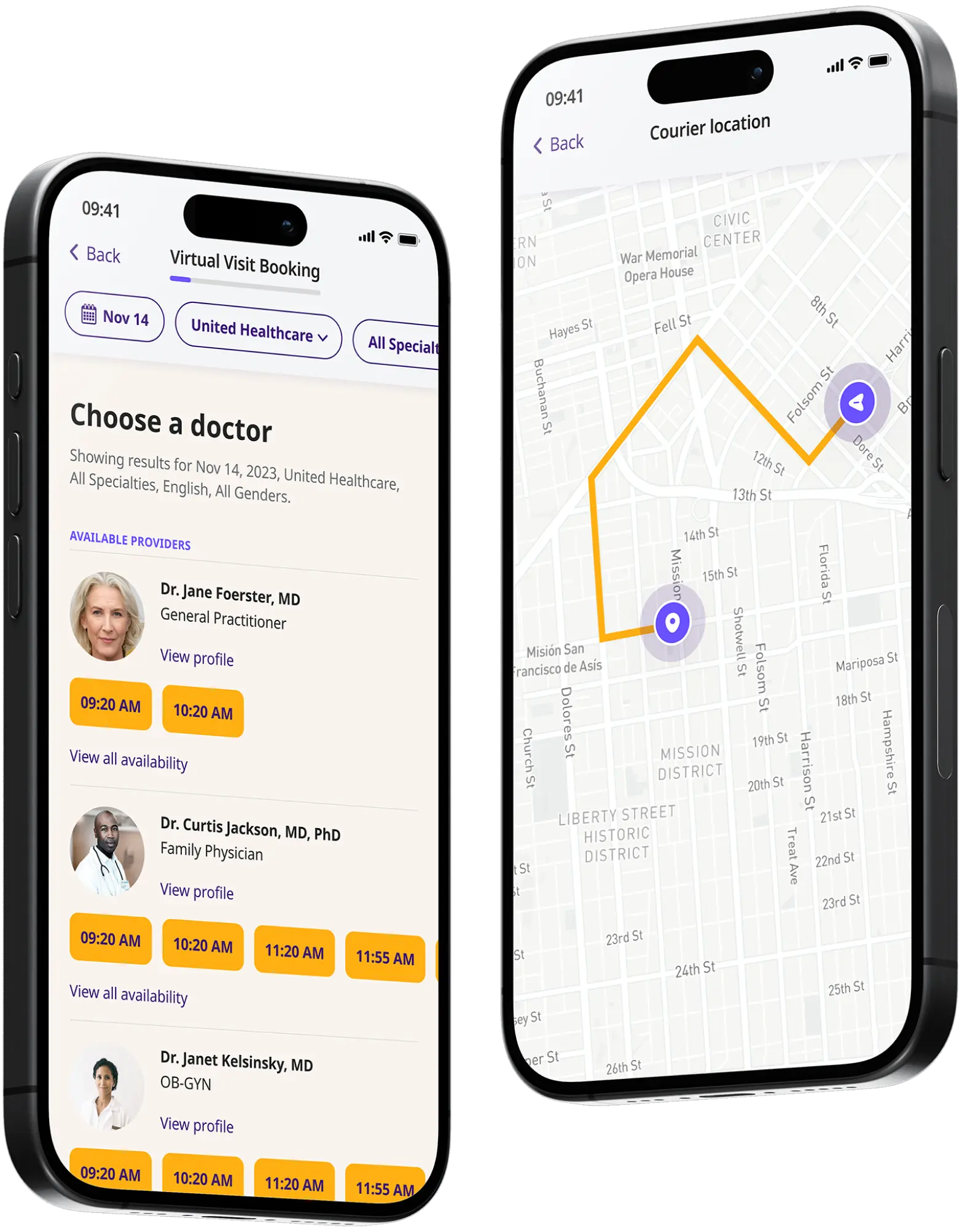
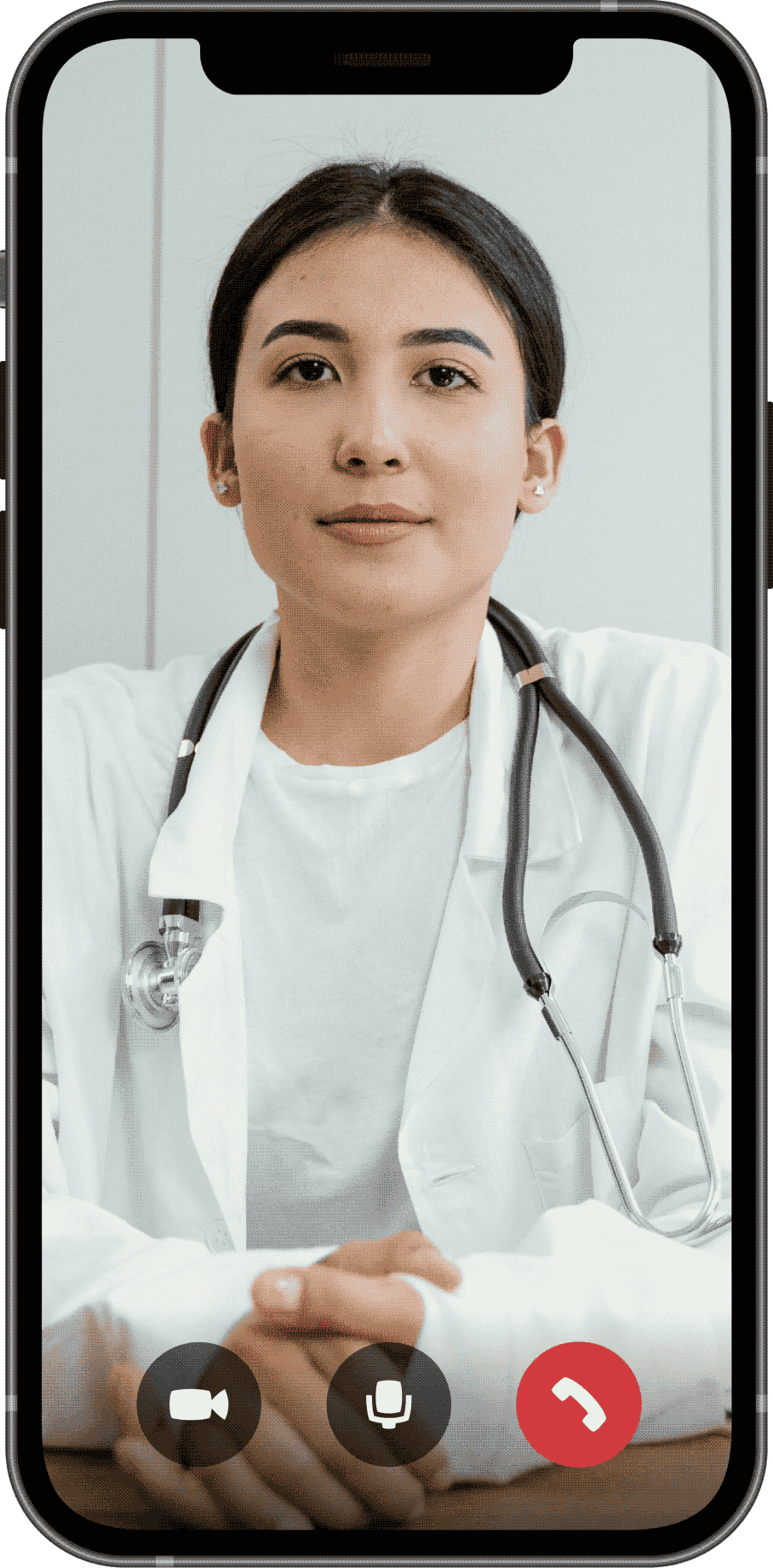
A telehealth visit can assess symptoms, sort out whether testing or treatment makes sense, and send a prescription to your pharmacy when it’s clinically indicated. DrHouse connects you with a doctor online in minutes, day or night, weekends and holidays included, and you can even start a visit for a parent or grandparent from your own account.
Content on the DrHouse website is written by our medical content team and reviewed by qualified MDs, PhDs, NPs, and PharmDs. We follow strict content creation guidelines to ensure accurate medical information. However, this content is for informational purposes only and not a substitute for professional medical advice, diagnosis, or treatment. For more information read our medical disclaimer.
Always consult with your physician or other qualified health providers about medical concerns. Never disregard professional medical advice or delay seeking it based on what you read on this website.
If you are experiencing high fever (>103F/39.4C), shortness of breath, difficulty breathing, chest pain, heart palpitations, abnormal bruising, abnormal bleeding, extreme fatigue, dizziness, new weakness or paralysis, difficulty with speech, confusion, extreme pain in any body part, or inability to remain hydrated or keep down fluids or feel you may have any other life-threatening condition, please go to the emergency department or call 911 immediately.
Experience 24/7 complete care in one visit, including treatment, prescriptions, and delivery.


on your schedule
Skip the unnecessary waiting room,
see a board-certified clinician now.
Prescriptions as needed
Renew or get a new Rx.
On-demand virtual visits
See a physician 24/7.
24/7 care support
We are here to help you.

Download the DrHouse app.
Set up your free account in a minute.
Start a visit with an online doctor. Wait time is less than 15 minutes.
Get an Rx from your preferred pharmacy. Pick up a Rx nearby or get it delivered to you.

on your schedule
Skip the unnecessary waiting room, see a board-certified physician now.
Available in 50 states. Insurance accepted.